
Molecular Profiling Reveals Why Young Indians Are Developing Colon Cancer
5 December 2025
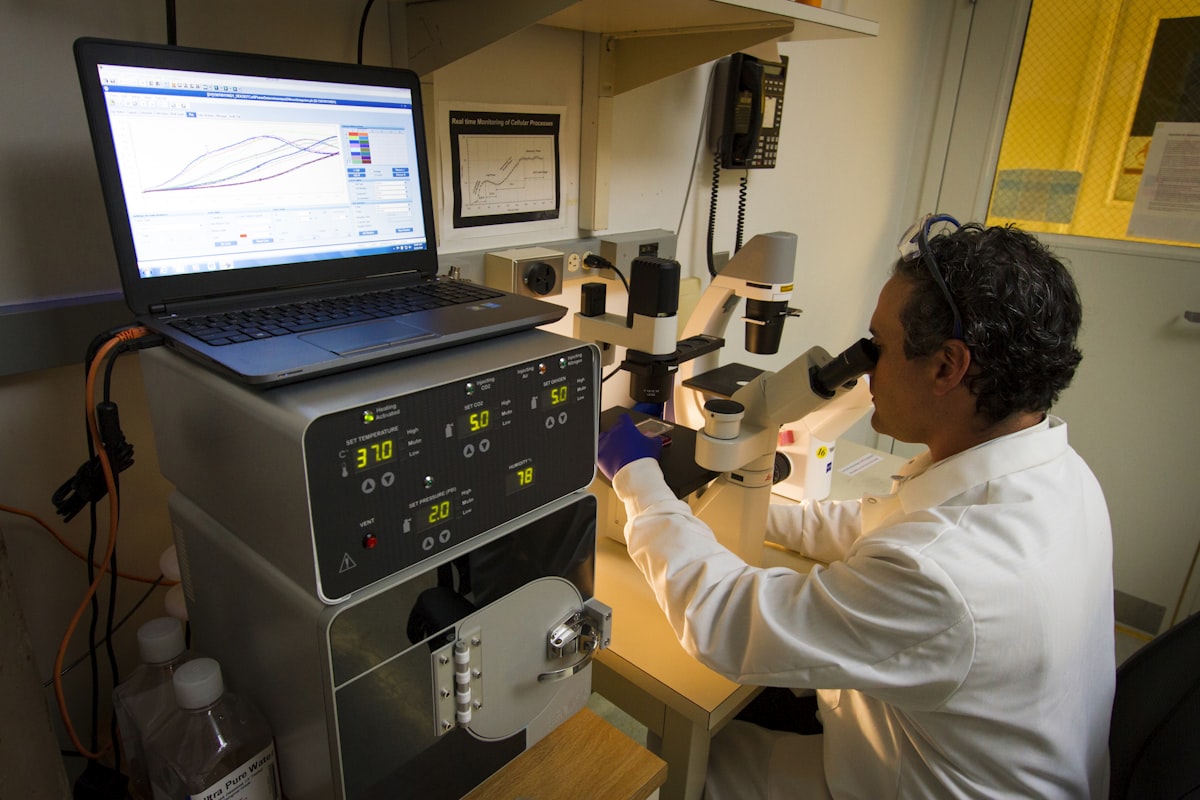
A landmark study from the Cancer Institute has identified distinct molecular features in colorectal cancers arising in Indian patients under 50, offering potential explanations for the dramatic rise in young-onset disease across the subcontinent. The study performed comprehensive genomic profiling — including whole-exome sequencing, RNA sequencing, and methylation analysis — on tumours from 400 young-onset cases and 200 age-matched controls with late-onset disease.
Young-onset tumours exhibited a unique mutational signature not previously described, characterised by specific base-substitution patterns that the researchers hypothesize may be linked to dietary carcinogen exposure. These tumours also showed higher rates of chromosomal instability and lower rates of microsatellite instability compared to their late-onset counterparts.
The findings have immediate clinical implications: the lower MSI rate in young patients means fewer may benefit from immunotherapy, underscoring the need for alternative treatment strategies specifically designed for this growing patient population.
Why This Matters
Colorectal cancer in young adults is rising globally, but particularly in India. Understanding the unique biology of these tumours is essential for developing effective prevention strategies and targeted treatments.